
TMS Therapy in Logan, Utah
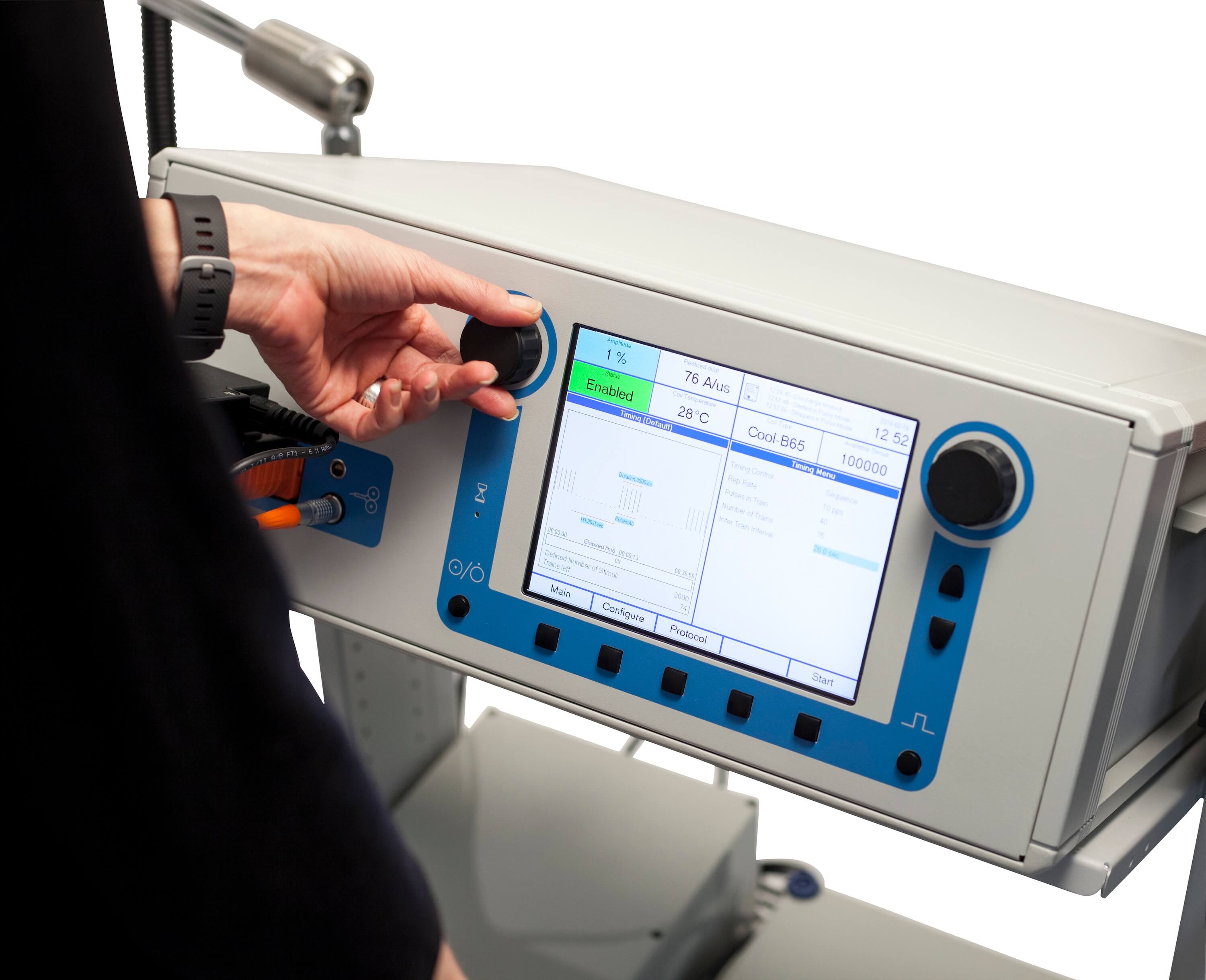
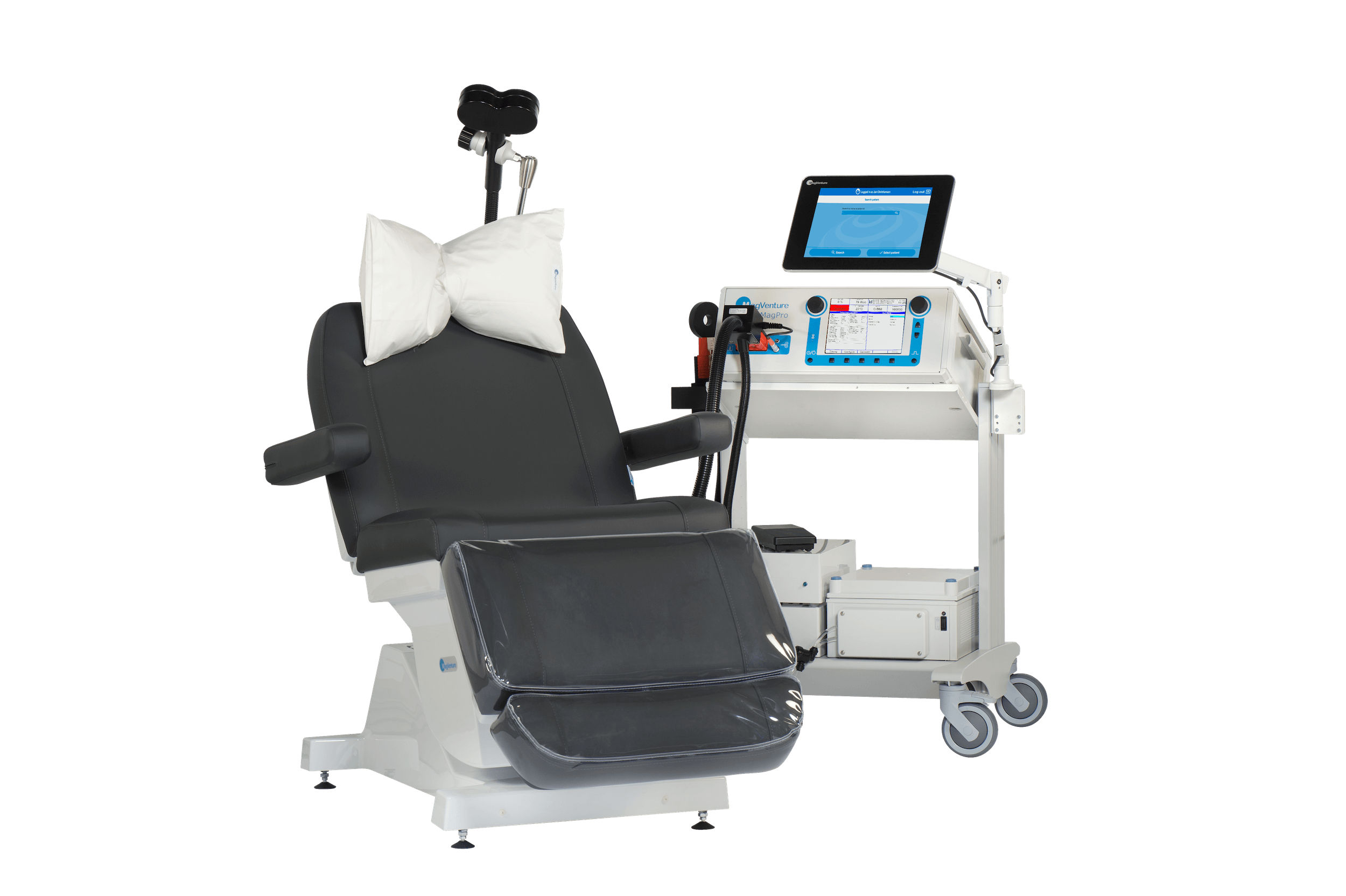
Transcranial Magnetic Stimulation (TMS) is a breakthrough, FDA-approved treatment designed for patients struggling with treatment-resistant depression. At Cache Ketamine & Mental Health in Logan, UT, we offer TMS therapy using advanced, state-of-the-art technology to help you reclaim your quality of life.
TMS FAQ
What is TMS?
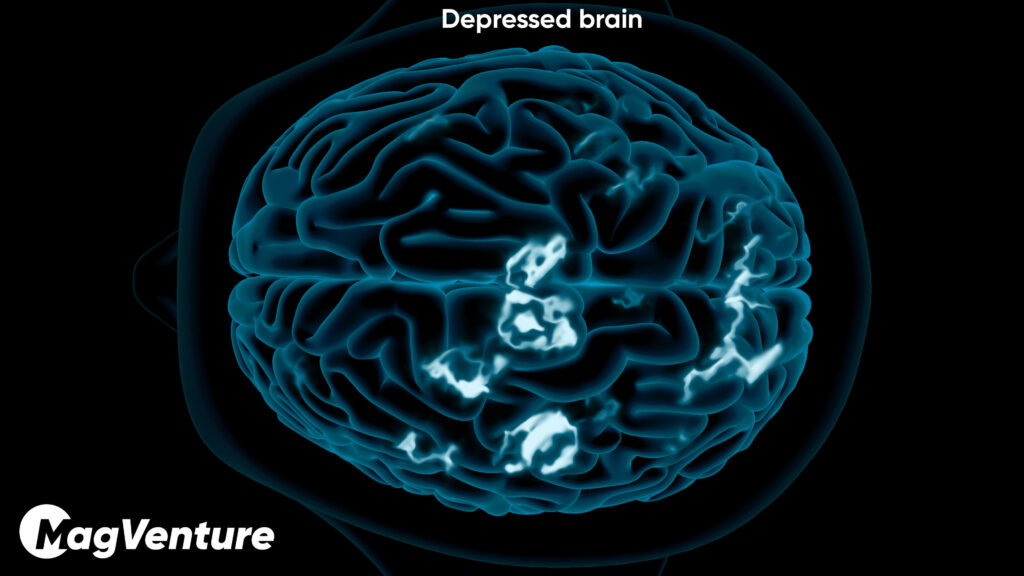
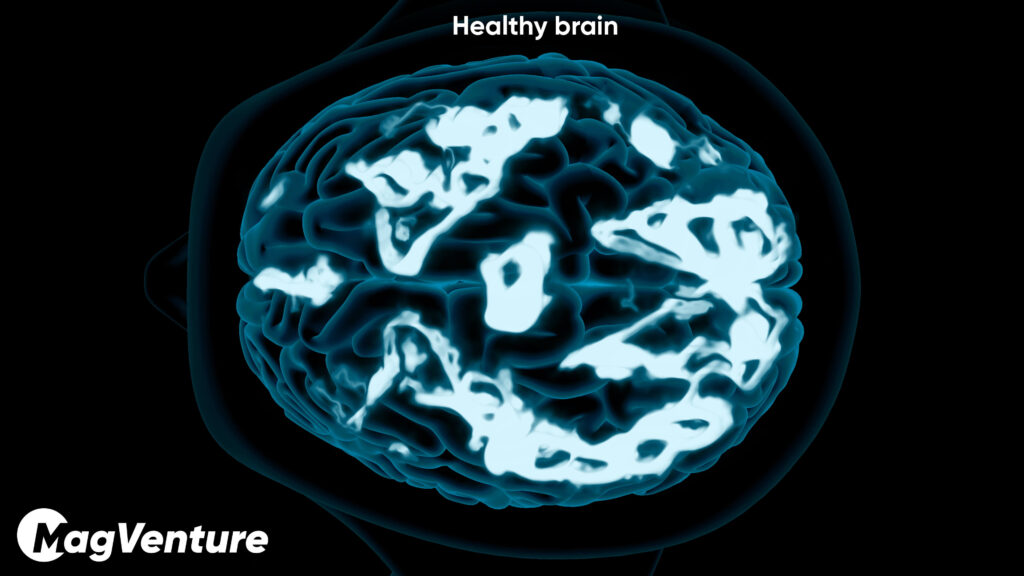
Transcranial Magnetic Stimulation (TMS) is a non-invasive treatment that uses magnetic pulses to stimulate specific regions of the brain associated with depression. By activating these brain regions, TMS helps regulate mood, alleviate depressive symptoms, and restore emotional balance, especially for individuals who have not responded adequately to antidepressant medications.
Yes, TMS is an FDA-approved, safe treatment with minimal risks and side effects.
Most patients describe the sensation as mild tapping or gentle pulses on the scalp.
Mild headaches or scalp discomfort are the most common side effects, typically resolving quickly after treatment.
Many patients experience lasting relief from depression symptoms, with some requiring occasional maintenance treatments.
WHO IS A CANDIDATE FOR TMS?
Ideal candidates for TMS therapy include individuals who:
Have a diagnosis of treatment-resistant depression.
Experiencing persistent symptoms of depression despite multiple treatment attempts
Have not achieved satisfactory results from traditional antidepressant medications.
Are seeking a safe, medication-free alternative.
Have a diagnosis of OCD
Experiencing persistent symptoms of OCD
Treatment is also available for adolescents.
INSURANCE COVERAGE
Most Major insurance providers cover TMS therapy for treatment-resistant depression. At Cache Ketamine & Mental Health, we simplify the insurance process by helping verify coverage and handling paperwork, making the experience smooth and stress-free in Logan, UT.
Treatment Options for Depression
Pricing listed below is for self-pay patients.
Standard protocols (30 and 36 sessions) are often used when billing insurance. Accelerated protocols are typically self-pay and not covered by insurance plans. Cash prices listed are for checks, cashiers checks, cash or zelle payments and a 3% convenience fee would be added for card payments.
| Protocol | Sessions/Day | Treatment Duration | Total Sessions | Highlights | Self-Pay Pricing |
|---|---|---|---|---|---|
| Standard TMS | 1 | 7 weeks (Mon–Fri) | 36 | Traditional first-line TMS option, typically insurance-eligible | $3,000 |
| Accelerated 3x Daily | 3 | 3 weeks (Mon–Fri) | 45 | Balanced acceleration; strong clinical research backing | $3,600 |
| Accelerated 5x Daily | 5 | ~9–10 days | 45–50 | Faster pace for quicker outcomes; manageable schedule | $3,600–$4,000 |
| Accelerated 8–10x Daily (SAINT-Inspired) | 8–10 | 5–6 consecutive days | 50 | Rapid, high-intensity modeled after Stanford SAINT protocol | $4,000 |
Treatment Options for OCD
These TMS for OCD protocols use conventional TMS technology with each session lasting approximately 18 minutes. The protocols below are typically considered self-pay options and are not always covered by insurance. Prices listed reflect cash, cashier’s check, or Zelle payments (add 3% for card transactions).
| Protocol | Sessions/Day | Treatment Duration | Total Sessions | Highlights | Self-Pay Pricing |
|---|---|---|---|---|---|
| Standard OCD Protocol | 1 | 6-7 weeks (Mon–Fri) | 30-36 | Designed for moderate to severe OCD; builds steady long-term improvement | $2,800- $3,300 |
| Short OCD Protocol | 1 | 4 weeks (Mon–Fri) | 20 | Typically for mild OCD or as a follow-up protocol | $2,000 |
Initial Consultation
Our specialists evaluate your medical history and symptoms to determine the suitability of TMS for your individual needs.
Treatment Sessions
Depending on which type of protocol we use, each TMS treatment will take either about 3 minutes or 18/19 minutes plus the time needed for set up so you should plan on being in the office for 10-30 minutes per session. Treatments are typically done 5 days a week. Patients remain awake and comfortable during the sessions and are able to drive themselves home and return to regular activities.
Results and Follow-up
Many patients experience symptom improvement within a few weeks, with significant results observed toward the end of the treatment period. Some research suggest that many of benefits show up to 6 or even 12 weeks after completion. We continuously monitor progress and can adjust the treatment plan as needed.
Accelerated and Standard TBS/TMS Protocols We Offer
We provide several customized accelerated and standard transcranial magnetic stimulation (TMS) options to help you experience relief from depression — tailored to your clinical needs, schedule, and goals. Depression protocols are typically performed using the latest FDA-cleared technology called intermittent Theta Burst Stimulation (iTBS), which allows for a treatment session of about three minutes. Unlike older TMS protocols, iTBS uses bursts of stimulation patterned after naturally occurring theta brain rhythms while providing similar—and in some studies, better—clinical outcomes in a fraction of the treatment time. All accelerated protocols use intermittent Theta Burst Stimulation (iTBS)
More Details on Each Protocol
Standard TMS (36 Sessions)
- Schedule: 1 session per day, 5 days a week, for approximately 7 weeks (36 sessions total)
- What to Expect:
- Traditional FDA-cleared TMS protocol for major depressive disorder
- Each session typically takes 10–30 minutes depending on stimulation type:
- Theta Burst (iTBS): ~3 minutes of stimulation
- Conventional TMS: ~19 minutes of stimulation for depression and 18 minutes for OCD
- Well-established safety and efficacy profile
- Typically eligible for insurance coverage
Accelerated 3x Daily (Theta Burst Stimulation)
- Schedule: 3 sessions/day, 5 days/week, ~3 weeks (45 sessions)
- What to Expect:
- Uses intermittent Theta Burst Stimulation (iTBS)
- Each session includes ~3 minutes of stimulation; appointment time ~10–15 minutes
- Based on pragmatic clinical research showing faster symptom improvement compared to standard TMS
- Typically requires self-pay (insurance not applicable)
Accelerated 5x Daily (Theta Burst Stimulation)
- Schedule: 5 sessions/day over ~9–10 days (45–50 sessions)
- What to Expect:
- Uses intermittent Theta Burst Stimulation (iTBS)
- Each session includes ~3 minutes of stimulation; appointment time ~10–15 minutes
- Offers a faster, consistent daily structure for quicker symptom relief
- Typically requires self-pay (insurance not applicable)
Accelerated 8–10x Daily (SAINT-Inspired, Theta Burst Stimulation)
- Schedule: 8–10 sessions/day over 5–6 consecutive days (50 sessions)
- What to Expect:
- Uses intermittent Theta Burst Stimulation (iTBS)
- Each session includes ~3 minutes of stimulation; appointment time ~10–15 minutes
- Modeled after Stanford’s SAINT protocol for rapid remission in treatment-resistant depression
- Original SAINT study used fMRI for targeting; our clinic uses standardized clinical targeting
- Reference: Stanford SAINT Study
- Typically requires self-pay (insurance not applicable)
Booster and Maintenance Treatments
After completing a standard or accelerated TMS course, some patients may benefit from booster (also called maintenance) sessions to help sustain symptom relief and prevent relapse over time.
- Booster sessions are typically recommended if symptoms begin to return or based on individualized clinical assessment.
- Maintenance schedules are customized — some patients may schedule occasional single sessions, while others may prefer regular weekly or monthly treatments.
- Booster sessions are short and convenient, typically following the same stimulation protocol as initial treatments (Theta Burst Stimulation).
Booster treatments are generally not covered by insurance unless a full new episode of depression is documented.
Insurance Coverage for Repeat TMS Courses
If a relapse of depressive symptoms occurs after a successful TMS course, insurance may cover a full repeat protocol (typically 36 sessions).
Insurance companies generally require documentation showing:
- The initial treatment was successful (e.g., significant symptom improvement)
- There has been a clear relapse or worsening of depressive symptoms
Maintenance or booster sessions alone (without a full new course) are typically not eligible for insurance reimbursement but could be paid for out of pocket at a discount.